
Log Home Inspections in Lake City, FL
A log wall can look fine from the driveway and still be hiding trouble. Moisture, insects, and failing seals often do their damage in places that are easy to overlook. Great Southern Log Homes, located in Lake City, Florida, inspects log homes throughout the Southeastern United States, including North Georgia, West Virginia, North Carolina, and surrounding areas. An inspection gives owners a clear picture of their home's condition before they decide what work, if any, it needs.
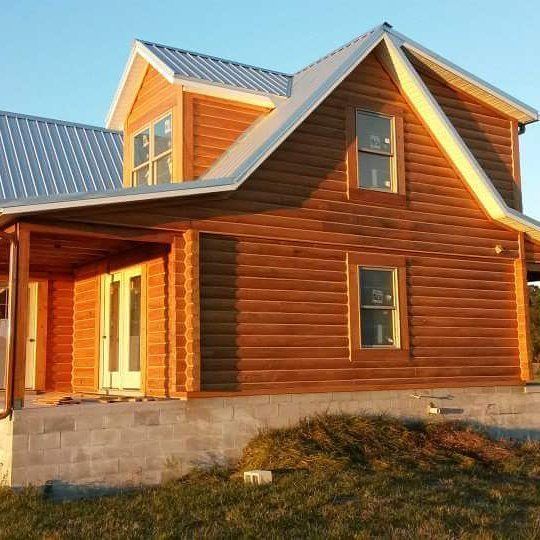
When to Schedule an Inspection
There is no wrong time to learn the condition of your home, but an inspection is especially valuable in a few situations:
- Before any restoration work is planned
- When setting up a regular maintenance schedule
- After noticing soft wood, discoloration, cracking, or insect activity
- When finishes have started to fail or moisture problems appear
- After a new log home is completed, as part of maintenance planning
Great room design
Garage requirements
What a Log Home Inspection Covers
A useful inspection goes well beyond the surface appearance of the logs. The areas reviewed fall into four groups.
The Logs Themselves
Log condition is the starting point, along with any sign of rot or decay. Cracks and checks are noted so they can be monitored or addressed.
Seals and Finishes
Chinking and exterior finishes are the home's first defense against the weather. The inspection looks for chinking that has cracked or separated and finishes that have worn thin.
Moisture, Insects, and Contamination
Water exposure, insect damage, and surface contamination such as mold and mildew are each checked, since all three can shorten the life of the wood.
Attached Wood Components
Decks, railings, windows, doors, and other wood components age alongside the walls and are included in the review.
3. Customization
Where appropriate, the selected design can serve as a starting point for discussing modifications and project-specific requirements.
Once the home is complete, homeowners should understand the maintenance requirements associated with log construction.
8. Inspection and Maintenance Planning
What Happens After the Inspection
The findings shape the next step. If the inspection turns up damaged logs, failed chinking, or decay, those results are evaluated to decide which repairs should come first, and a plan is put together for full log home restoration. If the home is in sound condition, the inspection becomes the basis for a care schedule. Climate, exposure to sun and rain, the condition of the wood, the finish system, and past upkeep all factor into how often ongoing log home maintenance should happen.
Why Regular Inspections Pay Off
Log homes in the Southeast face weather exposure in every season. Humidity, heavy rain, and strong storms put steady pressure on finishes and seals, and small failures can spread quietly. Regular inspections help homeowners find problems while they are still limited in scope. Catching a section of failing chinking or a single decaying log early is far simpler than repairing a wall that has been taking on water for years. The inspection is carried out by the same family team that handles restoration and repair, so findings translate directly into practical next steps.
Frequently Asked Questions
Is an inspection the first step of a restoration project?
Yes. Inspection is step one of the company's five-step restoration process, followed by evaluation, a restoration plan, the restoration itself, and maintenance.
How often should a log home be inspected?
The right interval depends on climate, exposure, wood condition, the finish system, and previous maintenance. An initial inspection helps set a schedule based on those factors.
What warning signs suggest I need an inspection?
Soft or deteriorated wood, discoloration, cracking, moisture problems, insect activity, and failing finishes are all reasons to have the home looked at.
Does the inspection include decks and railings?
Yes. Decks, railings, windows, doors, and other wood components are reviewed along with the log walls.
Can an inspection identify insect damage?
Yes. Insect damage is one of the specific areas checked, together with rot, decay, and water exposure.
Whether your log home is in Florida or elsewhere in the Southeastern United States, including North Georgia, West Virginia, North Carolina, and surrounding areas, Great Southern Log Homes can discuss an inspection for your property.